

Leadership Development
Leadership training should do more than raise awareness-it should change how people show up together.
Interactive, evidence-informed learning experiences curated to build shared understanding, practice proven-strategies, establish collective accountability, and promote leadership in all.
A Full Circle Approach to Leadership from Insight to Action
LEADING FOR INCLUSION DIALOGUES (LIDs)
The Leading for Inclusion Dialogues (LIDs) series supports leaders on their journey to becoming more intentional in their leadership practices. The guided facilitation approach creates a community of collaboration that helps to foster a trusting and brave learning environment that allows everyone to contribute to the cohort learning experience.
Program Overview
Leading for Inclusion Dialogues (LIDs) is a cohort-based leadership development series designed to help leaders practice inclusive leadership in real, complex organizational contexts.
The program supports leaders in understanding and applying key principles of inclusive leadership—grounded in current best practices related to inclusion, access, belonging, power, and privilege. Through facilitated, action-oriented dialogue, participants deepen awareness, strengthen skills, and implement targeted strategies that influence team, departmental, and organizational culture over time.
LIDs is built on the premise that inclusive leadership is not a role or a value statement—it is a daily practice. Leaders at all levels are expected to engage this work thoughtfully, courageously, and with accountability. The series provides the structured space, intellectual grounding, and peer learning community necessary to do so.
How LIDs Works
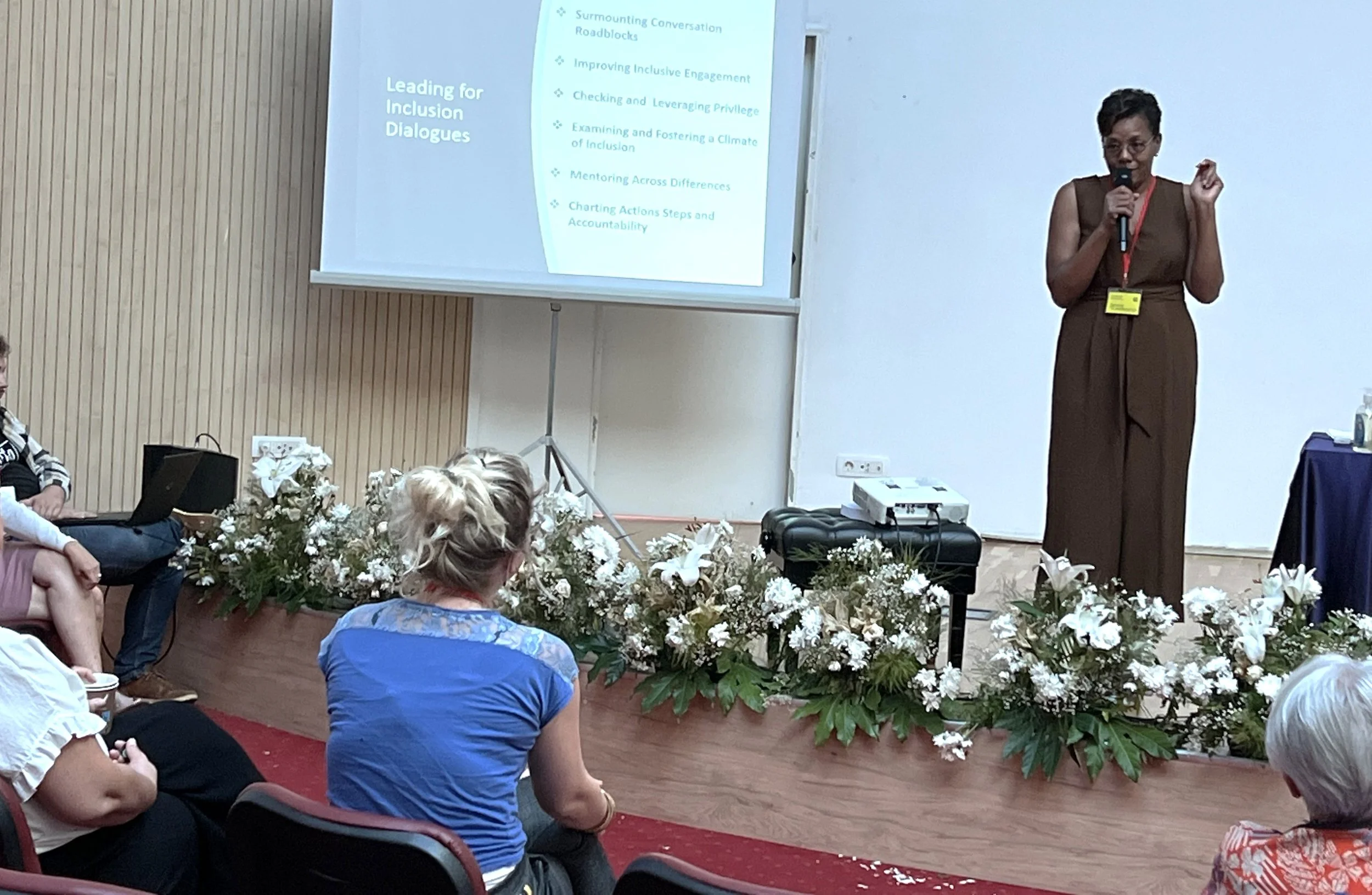
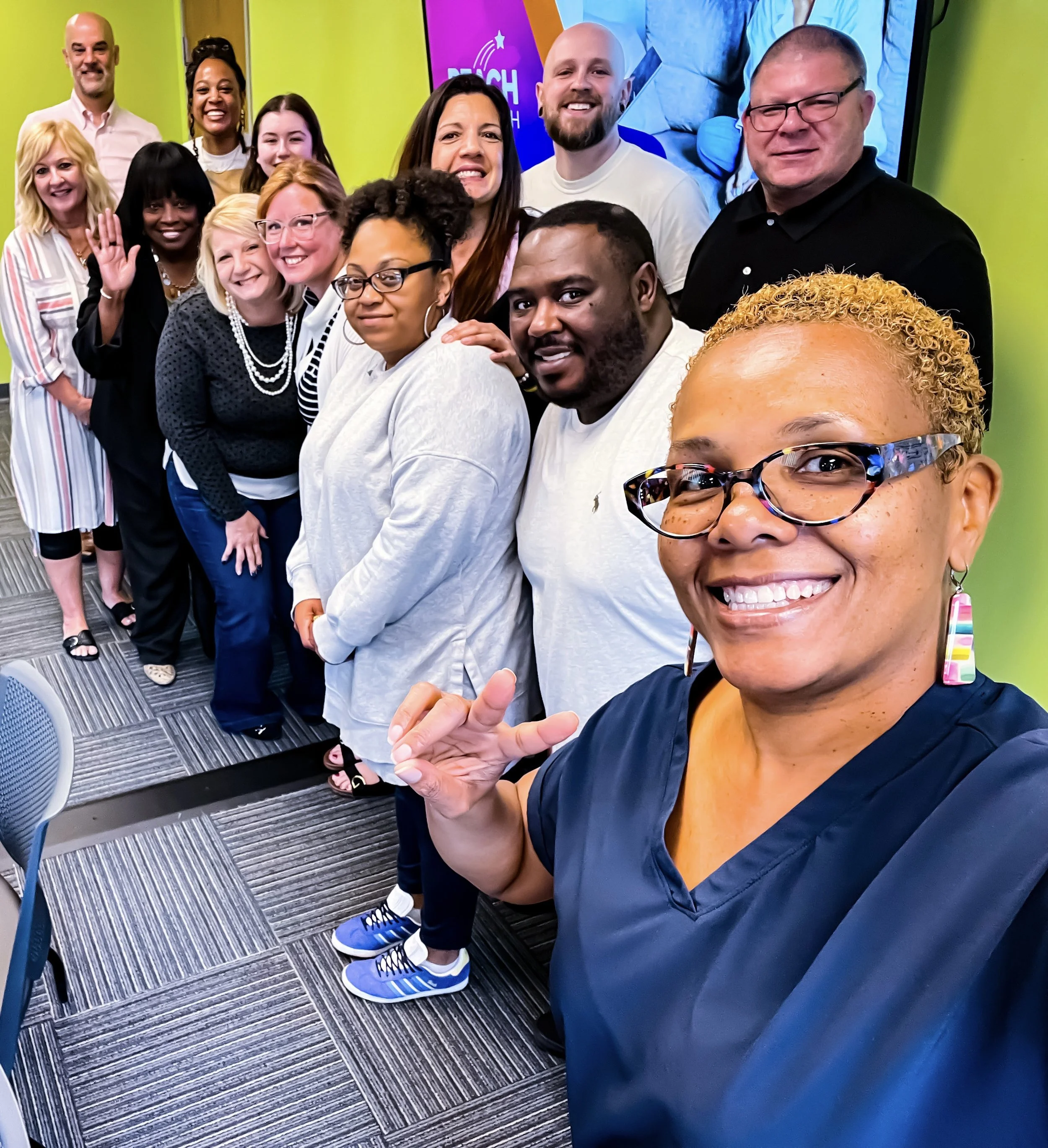
LIDs is a cohort-based program that requires group or team participation to ensure optimal engagement and to achieve levels of success that only come through authentic, interpersonal exchanges across an array of topics.
PROGRAM STRUCTURE & EXPECTATIONS
The LIDs series is delivered as a cohort-based learning experience, ideally meeting weekly or monthly for a minimum of one hour per session. This structure allows time between sessions to intentionally practice specific strategies and practice identified concepts and action steps.
Each session combines:
Conceptual grounding
Facilitated dialogue
Reflection and peer learning
Practical strategy selection and application
Participants leave each session with 1–2 concrete action steps to implement in their own context. These strategies are tracked over time to support reflection, adaptation, and accountability.
Because sessions build on one another, participants are expected to attend all sessions and engage actively in the learning community.
Facilitator support is available throughout the series to help participants:
Apply concepts to real challenges
Think through barriers and resistance
Adjust strategies as conditions shift
SESSION TOPICS
Establishing Common Ground
The first session is critical, as participants will establish shared agreements and practices that support intentional and respectful engagement throughout the series, with an emphasis on fostering group behaviors that promote collaborative learning and encourage collegiality for collective growth.
Improving Inclusive Engagement
This session examines engagement and disengagement, exploring psychological and behavioral dimensions of participation and how leaders can cultivate conditions that support sustained involvement and contribution from all.
Identifying and Leveraging Positional Power
Participants explore how privilege operates within teams and systems and identify strategies to mitigate its negative impacts, while leveraging the positional power of privilege to foster inclusion.
Examining and Fostering a Climate of Inclusion
Participants examine organizational, managerial, and individual contributors to inclusive climates, with a focus on how everyday actions—and inactions—shape belonging, performance, and innovation.
Mentoring Across Difference
This session centers intentional mentorship, particularly across difference, and explores how trust, care, and humility are necessary to create relationships that support growth without harm.
Accountability and Action Steps Check-In
The series culminates in a facilitated accountability session where participants reflect on progress, share challenges, and refine strategies. Additional accountability sessions may be added based on cohort needs.